
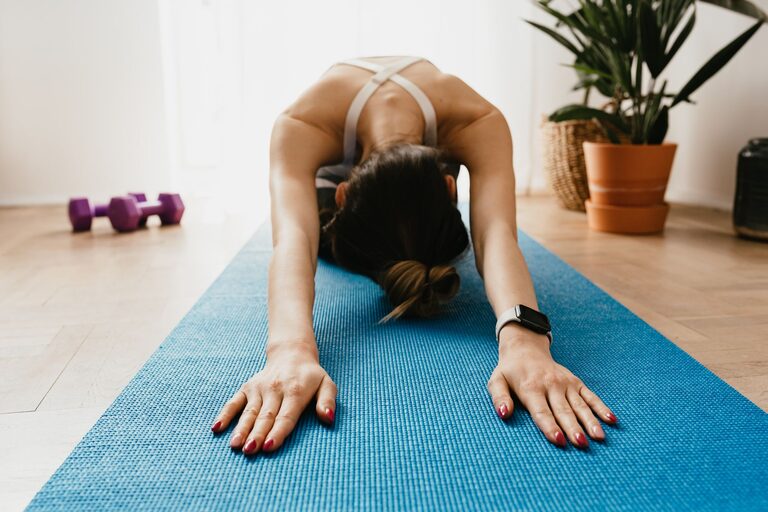
Stretching is a simple yet powerful way to enhance your physical well-being. It helps improve flexibility, reduce muscle tension, and can even boost your mood. You don’t need special equipment or a gym membership to start stretching—your own home is the perfect place to begin. This beginner’s guide will walk you through the basics of stretching at home, including tips, benefits, and easy stretches you can try today.
Why Stretching Matters
Stretching regularly offers several benefits:
– Improves Flexibility: Regular stretching lengthens muscles and tendons, helping you move more freely.
– Enhances Posture: Stretching tight muscles can help you maintain better posture.
– Reduces Muscle Tension: Stretching helps release tightness and soreness from muscles.
– Prevents Injury: Keeping muscles flexible lowers the risk of strains and sprains.
– Increases Blood Flow: Stretching stimulates circulation, which aids muscle recovery.
– Promotes Relaxation: A gentle stretch can calm your mind and reduce stress.
For these reasons, including stretching in your daily routine is a great way to support overall health.
Getting Started with Stretching at Home
Before you dive into stretching, keep these beginner-friendly tips in mind:
Set a Comfortable Space
Choose a quiet, open area with enough space to lie down and move comfortably. A yoga mat or soft carpet can make floor stretches more comfortable.
Dress for Movement
Wear comfortable clothing that allows free movement without restriction. Avoid tight or stiff fabrics.
Warm Up First
Stretching cold muscles isn’t ideal. Warm up for 3-5 minutes with light activity like marching on the spot, walking around the room, or gentle arm circles.
Breathe Deeply
Remember to breathe slowly and deeply while stretching. Avoid holding your breath.
Don’t Bounce
Stretch steadily without bouncing or jerking. Stretching should be smooth and controlled to avoid injury.
Listen to Your Body
Stretch to a point of gentle tension but never pain. If a stretch feels uncomfortable or painful, ease off or try a modified version.
Simple Stretches to Try at Home
Here are some easy stretches that target major muscle groups. Hold each stretch for 20-30 seconds and repeat 2-3 times depending on your comfort.
1. Neck Stretch
– Sit or stand tall.
– Slowly tilt your head to one side, bringing your ear toward your shoulder.
– Hold, then switch sides.
– This stretches the neck muscles and relieves tension.
2. Shoulder Rolls
– Stand or sit with your arms relaxed by your sides.
– Roll your shoulders forward in a circular motion 10 times.
– Then roll them backward 10 times.
– This helps loosen the shoulders and upper back.
3. Chest Stretch
– Stand tall and clasp your hands behind your back.
– Straighten your arms and gently lift your hands away from your back.
– Open your chest and hold.
– This stretch counteracts hunching and opens up the chest.
4. Seated Forward Bend
– Sit on the floor with legs extended straight in front of you.
– Hinge at your hips and reach toward your toes.
– Keep your back straight and only go as far as comfortable.
– This stretch targets the hamstrings and lower back.
5. Cat-Cow Stretch (Spinal Mobility)
– Get on all fours, hands under shoulders, knees under hips.
– Arch your back (cat), tucking your chin and pelvis.
– Then drop your belly toward the floor and lift your head (cow).
– Repeat slowly 5-10 times to mobilise the spine.
6. Standing Quadriceps Stretch
– Stand upright and hold onto a chair or wall for balance if needed.
– Bend one knee and bring your heel toward your bottom.
– Hold your ankle with your hand and keep knees close.
– Hold, then switch sides.
– This stretches the front of the thighs.
7. Calf Stretch
– Stand facing a wall with one leg forward and bent, the other leg straight behind.
– Press your back heel into the floor.
– Hold, then switch legs.
– This stretch helps loosen tight calf muscles.
Creating Your Stretching Routine
Consistency is key to seeing benefits. Here’s a simple way to build a routine:
– Spend 10-15 minutes daily or at least 3-4 times a week.
– Warm up briefly before stretching.
– Perform 4-6 of the stretches listed above.
– Focus on deep, relaxed breathing.
– Gradually hold stretches longer or try more challenging variations as you improve.
You can stretch in the morning to energise your day, or in the evening to unwind. Find a time that works for you and make it a habit.
When to Be Cautious
While stretching is generally safe, take care if you have:
– Existing injuries or medical conditions affecting muscles or joints.
– Severe pain while stretching.
– Recent surgery.
Consult a healthcare professional before starting a new exercise routine if you have concerns.
Final Thoughts
Stretching at home is an accessible and effective way to improve flexibility, ease muscle tension, and support your overall health. Starting slowly and being consistent will help you build a lasting habit. Listen to your body, enjoy the process, and celebrate your progress along the way!
Happy stretching!
