
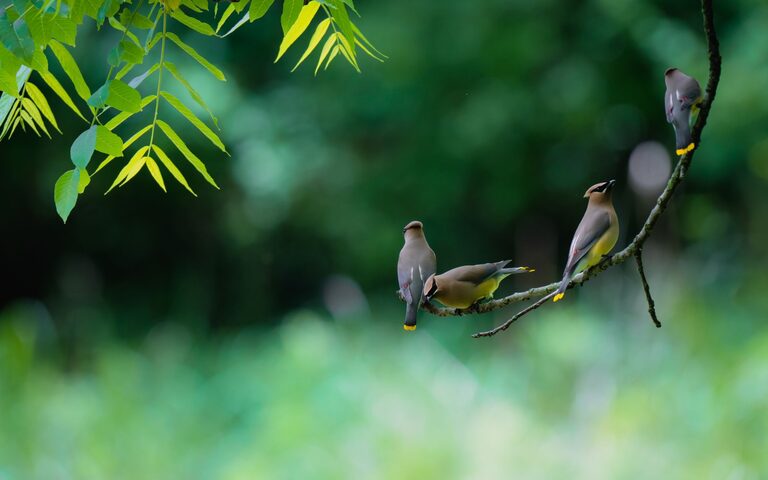
Birdwatching is a wonderful way to connect with nature, enjoy the outdoors, and learn more about local wildlife – all from the comfort of your own backyard. If you’re new to the hobby, it may seem a bit daunting at first, but with a few simple tips, you can easily get started and begin spotting a variety of birds right outside your door.
In this guide, we’ll cover everything you need to know as a beginner birdwatcher, including choosing the right equipment, attracting birds, identifying species, and recording your observations. Whether you have a large garden or a small balcony, birdwatching can be a rewarding and relaxing activity.
Why Birdwatch in Your Backyard?
Before diving into the tips, it’s worth considering why backyard birdwatching is such a popular pastime:
– Convenience: No need to travel far or prepare for long hikes.
– Relaxation: Watching birds can reduce stress and improve well-being.
– Learning opportunity: It’s a chance to learn about local species and their behaviours.
– Wildlife support: By providing food and shelter, you help local birds thrive.
Getting Started: Essential Equipment for Beginners
You don’t need fancy or expensive gear to start birdwatching, but having some basic equipment can enhance your experience.
1. A Good Pair of Binoculars
Binoculars are useful for getting a close-up view of birds without disturbing them. For beginners, a pair with 8x or 10x magnification is ideal – it provides clear images without being too heavy or difficult to use.
2. A Bird Identification Guide
A field guide or a mobile app will help you identify different bird species. Look for resources specific to your region since birds vary widely depending on location.
3. A Notebook or Birdwatching Journal
Recording your sightings can be fun and educational. You can note details like the date, species, behaviour, and weather conditions.
4. A Comfortable Spot in Your Garden
Choose a quiet area where you can sit and watch without frequent disturbances. A garden bench, outdoor chair, or a spot near a window with good visibility will work well.
Attracting Birds to Your Backyard
Creating a bird-friendly environment encourages more species to visit regularly.
Provide Food Sources
Different birds prefer different types of food. Here are some common options:
– Seed feeders: Fill with sunflower seeds, millet, or mixed birdseed.
– Suet feeders: Great for insect-eating birds, especially in colder months.
– Fruit: Offer slices of apple, banana, or berries.
– Nectar: Use a feeder with a sugar-water mix to attract hummingbirds (if native to your area).
Offer Fresh Water
Birds need water for drinking and bathing. A shallow birdbath or shallow dish refreshed daily will keep visitors coming back.
Create Shelter and Nesting Spots
Plant native shrubs, trees, or hedge plants to provide shelter and nesting opportunities. You can also hang birdhouses suitable for local species.
Avoid Chemicals
Pesticides and herbicides can harm birds and insects they feed on. Try to keep your garden as natural as possible.
Observing and Identifying Birds
Once your setup is ready, it’s time to start watching and learning.
Be Patient and Quiet
Birds can be easily startled. Move slowly and keep noise to a minimum to increase your chances of seeing them close-up.
Note Key Identification Features
Focus on:
– Size and shape
– Colour patterns and markings
– Behaviour (feeding, flight, song)
– Calls and songs (using apps or guides can help recognise sounds)
Use Technology to Help
Several free and paid apps allow you to record bird songs, identify species, and track your sightings. These can be especially helpful in learning bird calls.
Keeping a Birdwatching Journal
Recording your observations not only improves your identification skills but also creates a personal log of your birdwatching journey.
What to Include
– Date and time of sighting
– Location in your garden
– Species name (if known)
– Description of bird and behaviour
– Weather and environmental notes
Benefits of a Journal
– Track patterns of bird visits
– Notice seasonal changes in species
– Share your findings with friends or local birdwatching groups
Joining the Birdwatching Community
Connecting with fellow birdwatchers can enrich your experience.
– Join local or online birdwatching groups and forums.
– Participate in bird counts or conservation projects.
– Follow social media accounts dedicated to birdwatching.
Common Backyard Birds in the UK
Here are a few species you might expect to see in a typical UK garden:
– Robin
– Blue Tit
– Blackbird
– House Sparrow
– Great Tit
– Wood Pigeon
– Chaffinch
– Goldfinch
Learning about the birds commonly found in your area helps you anticipate and recognise visitors.
Final Tips for Enjoying Your Backyard Birdwatching
– Watch regularly, especially early mornings and late afternoons when birds are most active.
– Change food offerings if you don’t see many birds at first.
– Keep feeders clean to prevent disease.
– Respect wildlife: avoid disturbing nests and keep pets away.
Birdwatching is a hobby that rewards patience and curiosity. With these beginner tips, you’ll soon find yourself enjoying the fascinating world of birds just outside your home. Happy birdwatching!
