
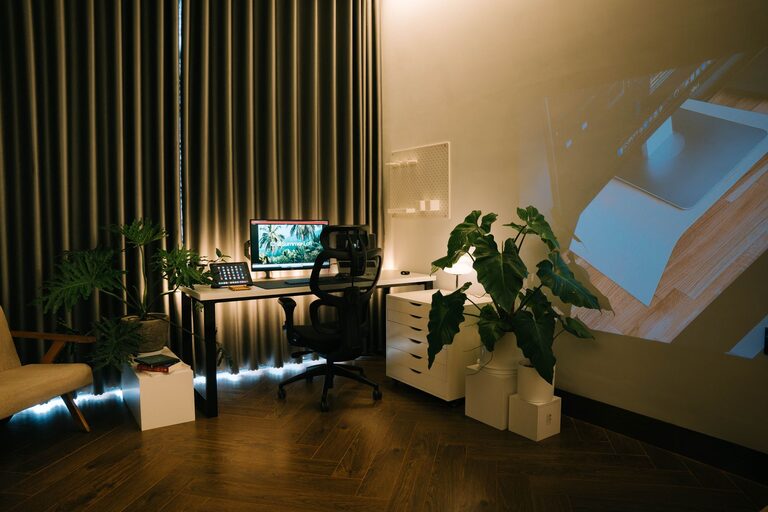
Creating a relaxing home workspace is essential for maintaining focus, productivity, and overall wellbeing when working from home. A calm and organised environment helps reduce stress and fosters creativity. Whether you have a dedicated room or a small corner, you can design a space that feels comfortable and inviting. This guide will walk you through practical steps to create a relaxing home workspace tailored to your needs.
Why a Relaxing Workspace Matters
Your environment directly influences how you think and work. A cluttered, noisy, or uncomfortable space can distract you and increase frustration. By contrast, a relaxing workspace encourages calmness, making it easier to concentrate and stay motivated throughout the day.
Choosing the Right Location
Consider Natural Light
Select a spot in your home that benefits from plenty of natural light. Sunlight not only brightens the room but also boosts mood and energy levels. Position your desk near a window if possible, but avoid screen glare by angling monitors accordingly.
Minimise Distractions
Find a quiet area where household noise is minimal. If this isn’t possible, consider noise-cancelling headphones or white noise machines. Inform others at home about your working hours to reduce interruptions.
Furniture and Layout
Invest in a Comfortable Chair
An ergonomic chair supports your posture, preventing discomfort during long working hours. Look for adjustable features like seat height, backrest angle, and lumbar support.
Choose a Desk with Enough Space
A desk that fits your equipment while leaving room for writing or other tasks helps keep your workflow smooth. If space is limited, wall-mounted or foldable desks can be practical options.
Keep It Organised
Use shelves, drawers, or organisers to keep your workspace tidy and clutter-free. Clutter can cause stress and reduce efficiency, so having storage solutions close at hand is useful.
Enhancing the Atmosphere
Colours and Decor
Soothing colours such as soft blues, greens, or neutrals create a peaceful environment. Avoid overly bright or dark colours that may cause eye strain or agitation.
Add personal touches like plants, artwork, or photos to make the space feel welcoming without overcrowding it.
Control Lighting
In addition to natural light, use adjustable lighting to reduce eye strain. Desk lamps with warm light are ideal for evening work.
Maintain Good Air Quality
Keep the room well ventilated. Fresh air improves concentration and comfort. Small plants can also help purify indoor air and add a touch of nature.
Personalising Your Workspace
Include Comfort Items
A cosy cushion, a soft blanket, or a small essential oil diffuser can make your workspace more inviting and relaxing.
Set Boundaries
Define your workspace clearly to help mentally separate work and relaxation zones. This can include rugs, room dividers, or simply keeping work materials confined to one area.
Developing Good Habits
Keep Your Workspace Clean
Make it a habit to tidy your desk at the end of each day. A clean space eases your mind and prepares you for the next day.
Take Regular Breaks
Stand up, stretch, or take a short walk to refresh your body and mind. Incorporate small relaxation exercises like deep breathing to reduce stress.
Organise Your Digital Space
Keep your computer desktop and files organised to reduce digital clutter. Use productivity tools and apps to manage tasks efficiently.
Summary
Creating a relaxing home workspace is about making your environment supportive of both your physical comfort and mental wellbeing. By carefully choosing your location, investing in quality furniture, paying attention to lighting and air quality, and incorporating personal touches, you can transform your workspace into a haven of calm and focus. Remember, a well-designed space paired with good work habits will help you perform your best while feeling relaxed and happy.
